
You need to be wary of metaphorical thinking. It can easily create an illusion of understanding: you hear about something familiar, make an association, and can carry on explaining it, so you assume you have understood a previously unfamiliar problem. Yet you may never have understood the structure of that problem at all.
Metaphors can certainly help people get started. When we encounter concepts we cannot yet understand directly, we need tools to help us. Abstract thinking also takes practice. Using something concrete to gain an initial understanding is often an indispensable part of the process.
But what matters more is what happens after that initial step: understanding must continue. If someone keeps relying on metaphorical thinking, translating every problem into something familiar before they can understand or express it, their understanding can easily remain shallow. What they already know begins to limit what they can understand. They may not even notice this limitation, because every metaphor gives them the satisfaction of thinking, “I get it.”
That satisfaction deserves particular suspicion.
A metaphor usually works because two things resemble each other in certain respects. Yet exactly where they resemble each other, how far the resemblance extends, and which properties do not correspond are precisely the gray areas of understanding through metaphor. Finding one point of resemblance does not mean that an entire set of relationships can be transferred from one thing to another. There are many differences that still need to be identified.
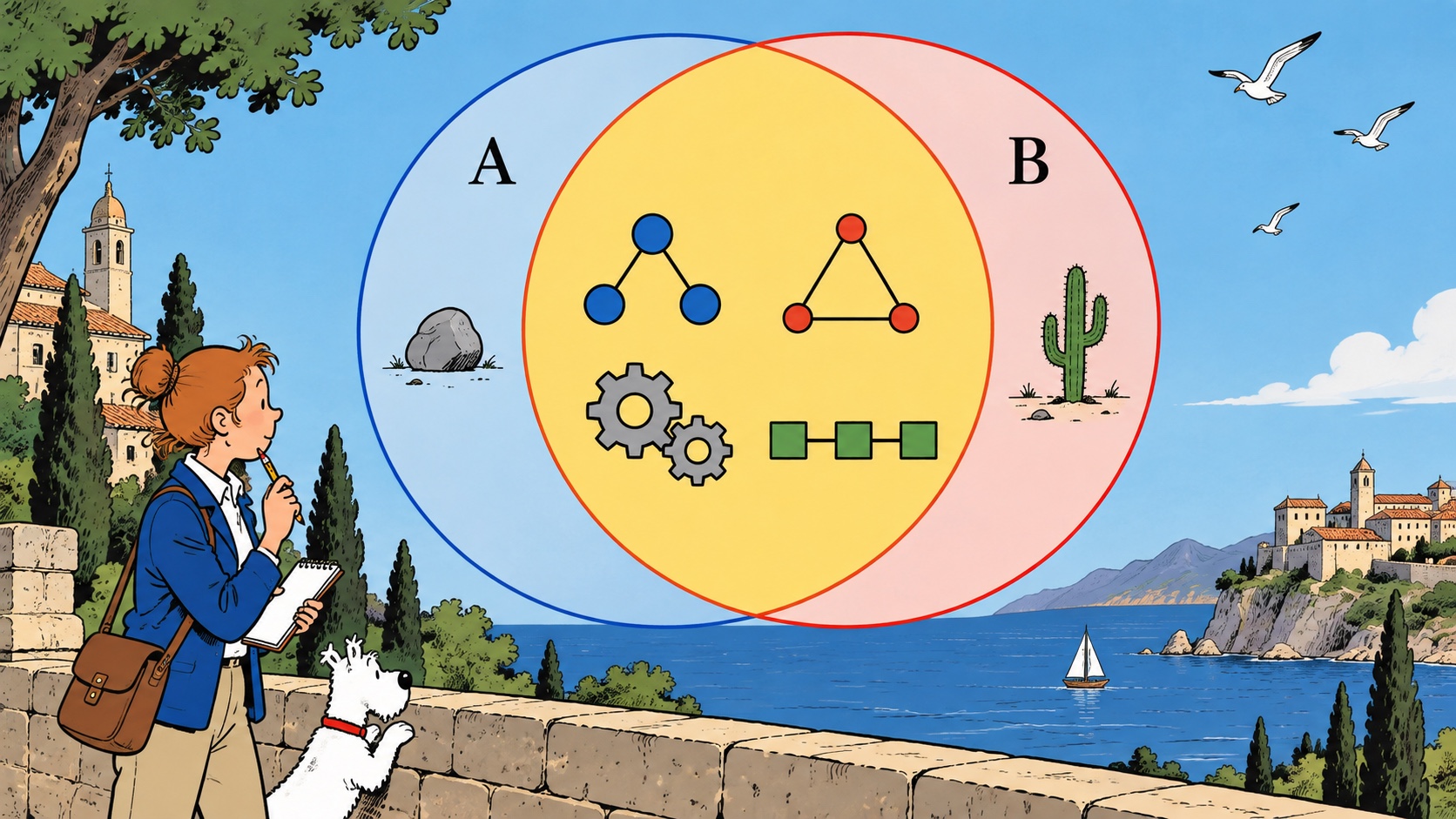
If those differences go unexamined, a metaphor that sounds convincing can bring unexamined premises with it. The more accomplished the speaker, the more readily the listener may accept what is said. Both feel that the explanation is complete, yet nobody has specified the conditions under which it holds.
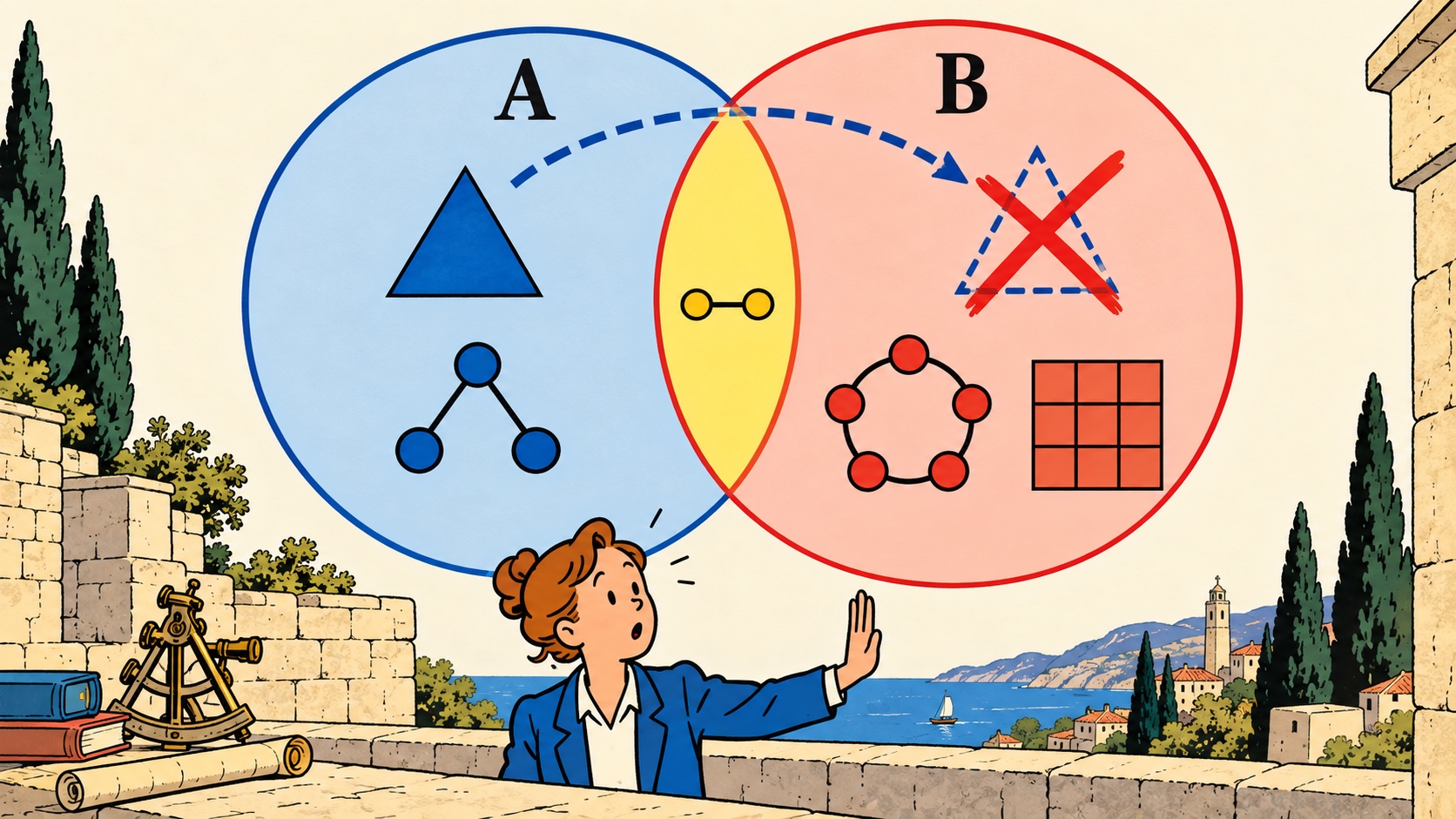
This is where the illusion of understanding arises. People mistake familiarity for understanding and fluency of narration for sufficient reasoning. A question that has never been answered acquires a vivid expression, and suddenly it seems there is no need to ask it anymore.
Deep thinking demands that we keep asking. Have the concepts been clearly defined? What supports the judgment? If the premises change, does the conclusion still hold? A brilliant metaphor will not do this work for you. You have to do it yourself.
Persistent reliance on metaphor can also obstruct the development of an abstract layer in thought.
By an abstract layer, I mean the ability to move beyond a particular situation and work directly with concepts and relationships. A person can identify which properties matter to the problem, specify the scope of a judgment, and recognize which relationships still hold when the concrete situation changes.
This requires us to accept a less comfortable state: some things do not yet have an intuitive picture, but we can still define them clearly, understand the conditions that constrain them, and continue thinking on that basis.
If we rush to explain things with a familiar story whenever that discomfort appears, the work required for abstract thinking may keep getting skipped. Over time, the number of stories we can tell increases, while the number of relationships we can explain independently may not. We may even mistake skill at making associations for skill at thinking.
That is why I think we need a habit of self-examination, especially of our own language. When you are about to say “for example,” “think of it this way,” or “let me give you an example,” first try stating your point directly. If you cannot make it clear without the example, take that as a warning: you may not have thought it through at all. Rely less on metaphor. Practice expressing the concepts and relationships directly.
Apply the same scrutiny to other people. If someone can only express a point through examples and cannot directly state their judgment and its basis when needed, then their capacity for abstraction on that particular issue is limited. Do not mistake a lively delivery for depth of thought.